Wedding Planning Checklist: The Complete Month-by-Month Guide for Brides
Planning a wedding is exciting, emotional, and sometimes overwhelming. Between choosing a venue, booking vendors, managing guest lists, tracking payments, and staying true to your vision, it is easy to feel like you’re making a hundred decisions at once. That is exactly why a detailed wedding planning checklist is one of the most valuable tools a bride can use.
This long-form guide walks you through a practical month-by-month wedding planning checklist designed to help you stay calm, organized, and confident. Whether you are planning a traditional celebration, micro wedding, destination wedding, or intimate backyard ceremony, the steps below will help you know what to do, when to do it, and what details not to leave until the last minute.
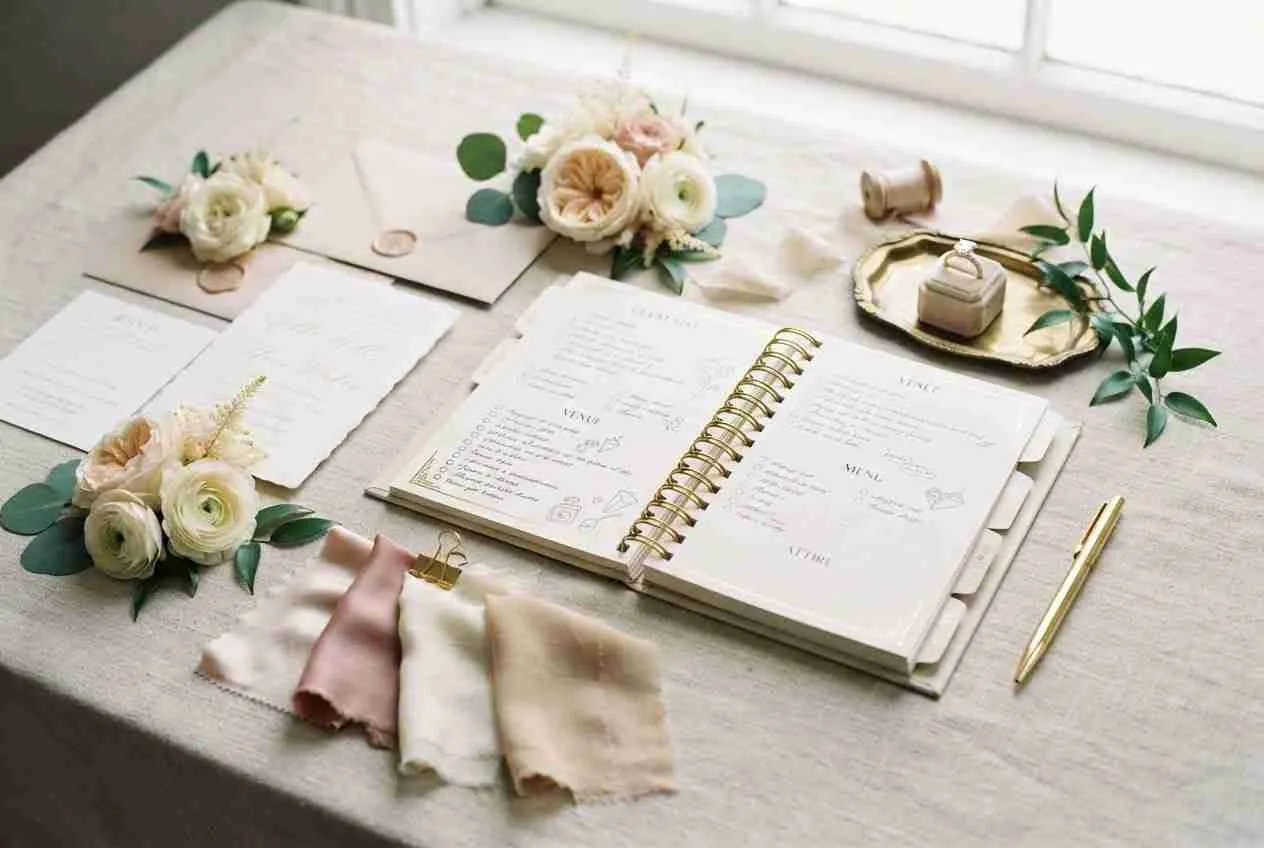
A wedding planning checklist helps brides organize every detail from engagement to the big day.
Why Every Bride Needs a Wedding Planning Checklist
A wedding is not just one event. It is a collection of moving pieces: budget, venue, guest experience, design, food, music, photography, transportation, attire, stationery, beauty appointments, family expectations, and legal paperwork. A wedding planning checklist turns all of those pieces into manageable steps.
Instead of trying to remember everything at once, you can focus on the right tasks at the right time. The best checklist also protects your budget. When you know which deposits, deadlines, and decisions are coming up, you can avoid rush fees, last-minute purchases, and duplicate spending. Before you book vendors or start buying decor, organize your finances with a dedicated tool like this wedding budget planner so every decision supports your overall spending plan.
12+ Months Before the Wedding: Set the Foundation
If you have a year or more to plan, this stage focuses on big-picture decisions. Start by having an honest conversation with your partner about the kind of wedding you both want. Discuss your ideal guest count, location, style, season, and priorities. Do you care most about photography, food, music, flowers, or a meaningful venue? Knowing your top priorities early helps you spend intentionally.
- Announce your engagement and celebrate before jumping into logistics.
- Create your preliminary wedding budget and decide who is contributing.
- Draft your guest list to estimate the event’s size and cost.
- Choose a wedding date range or preferred season.
- Research venues and compare pricing, capacity, location, and included services.
- Book your ceremony and reception venue once you find the right fit.
- Start a wedding email folder or shared planning document for contracts and ideas.
- Consider hiring a planner, coordinator, or day-of coordinator if it fits your budget.
During this phase, avoid booking vendors before your budget and venue are clear. Your venue often determines your date, guest capacity, catering options, rental needs, and overall style. Once that is locked in, many other decisions become easier.
10 to 11 Months Before: Book Priority Vendors
The most in-demand wedding vendors can book out many months in advance, especially during popular seasons. Research your photographer, videographer, caterer, florist, entertainment, officiant, and planner early. Look at portfolios, read reviews, compare packages, and ask about travel fees, overtime fees, cancellation terms, and payment schedules.
- Book your photographer and videographer.
- Choose a caterer if one isn’t included with the venue.
- Reserve your DJ, band, ceremony musicians, or entertainment.
- Book your officiant.
- Research florists and event designers.
- Schedule engagement photos if you want them for save-the-dates.
- Begin researching wedding dress boutiques and designers.
This is also a good time to begin thinking about your wedding aesthetic. Save inspiration photos, but do not let trends pressure you. The best wedding style feels personal, realistic, and aligned with your budget.
8 to 9 Months Before: Attire, Website, and Guest Communication
At this point, your wedding planning checklist shifts toward communication and attire. Wedding dresses often take months to order, alter, and fit, so start shopping early. If you have a wedding party, begin discussing attire expectations, colors, and timelines.
- Shop for and order your wedding dress.
- Create your wedding website with schedule, location, travel, hotel, and RSVP details.
- Finalize your wedding party if you are having one.
- Choose bridesmaid dress colors and general attire direction.
- Reserve hotel room blocks for out-of-town guests.
- Send save-the-dates, especially for destination weddings or holiday weekends.
- Start building your registry.
Your wedding website can reduce repetitive questions from guests. Include parking instructions, dress code guidance, hotel information, transportation notes, and whether children are invited. Clear communication now saves stress later.

Use a checklist to stay on track with vendor bookings, guest communication, attire, and budget deadlines.
6 to 7 Months Before: Design the Details
Six to seven months before the wedding, the celebration starts to feel more real. Now you can refine the look, flow, and experience of the day. Meet with florists, rental companies, stationers, and your venue team to discuss layout, color palette, ceremony backdrop, tablescapes, signage, lighting, and guest comfort.
- Book your florist and discuss bouquets, centerpieces, and ceremony decor.
- Reserve rentals such as chairs, linens, chargers, lounge furniture, tents, or lighting.
- Choose invitation design and wording.
- Book hair and makeup artists.
- Research transportation for the couple, wedding party, or guests.
- Plan ceremony music, readings, and special traditions.
- Start planning honeymoon logistics if applicable.
As you make design decisions, keep returning to your budget. Beautiful weddings are not created by spending everywhere. They are created by choosing a few high-impact areas and letting everything else support them.
4 to 5 Months Before: Menu, Invitations, and Logistics
Now is the time to finalize guest-facing details and vendor logistics. Schedule your menu tasting, confirm rental needs, and review your ceremony and reception timeline. If you are mailing invitations, prepare them early enough to allow for addressing, postage, and RSVP tracking.
- Attend food and cake tastings.
- Order wedding invitations and day-of paper goods.
- Purchase wedding bands.
- Confirm attire for the groom, wedding party, parents, and attendants.
- Schedule dress fittings and alteration appointments.
- Plan rehearsal dinner or welcome event details.
- Review vendor payment due dates.
- Build a first draft of your wedding day timeline.
This stage is also ideal for reviewing your guest list against your venue capacity and budget. Guest count is one of the biggest drivers of wedding cost, so confirm that your invitation list still makes sense before anything goes to print.
2 to 3 Months Before: Confirm, Communicate, and Prepare
Two to three months out, your wedding planning checklist becomes more detailed. Send invitations, track RSVPs, confirm vendor responsibilities, and begin preparing personal items for the day. Also make sure legal requirements are on your radar, including your marriage license timeline.
- Mail wedding invitations.
- Track RSVPs and meal selections.
- Apply for your marriage license according to local rules.
- Finalize ceremony readings, vows, and music.
- Plan seating chart basics as RSVPs arrive.
- Confirm hair and makeup trial appointments.
- Purchase accessories, shoes, undergarments, and getting-ready attire.
- Prepare welcome bags or guest gifts if desired.
If you have a planner or coordinator, share your contracts, vendor contacts, inspiration notes, and a draft timeline. The more information they have, the better they can protect your vision and troubleshoot details before the wedding day.
1 Month Before: Final Counts and Final Details
The final month is about confirmation. By now, most creative decisions should be complete. Focus on final guest count, seating assignments, vendor arrival times, final payments, tips, and personal items. Avoid introducing major new ideas unless they are truly necessary.
- Collect final RSVPs and follow up with missing responses.
- Finalize seating chart and place cards.
- Confirm final headcount with your venue and caterer.
- Make final vendor payments.
- Create tip envelopes and payment envelopes if needed.
- Confirm delivery and pickup times for rentals, florals, cake, and decor.
- Attend final dress fitting.
- Break in your wedding shoes at home.
- Prepare your emergency kit.
Your emergency kit can include fashion tape, safety pins, stain remover, tissues, pain reliever, snacks, water, bandages, phone chargers, blotting papers, mints, and a small sewing kit. Assign someone else to track it so you aren’t managing supplies on your wedding day.
The Week of the Wedding: Keep It Simple
The week of your wedding should be as calm and focused as possible. Confirm the timeline, pack important items, delegate tasks, and then permit yourself to be present. Not every tiny detail will be perfect, and that is okay. Your guests are there to celebrate your love, not inspect every ribbon, candle, or timeline note.
- Share the final timeline with vendors and wedding party members.
- Pack decor, accessories, stationery, marriage license, rings, and vow books.
- Confirm transportation and hotel arrangements.
- Get manicure, beauty treatments, or grooming appointments done early in the week.
- Rehearse the ceremony.
- Attend the rehearsal dinner or welcome celebration.
- Get rest, hydrate, and eat real meals.
Wedding Day Checklist for Brides
On the wedding day, your goal is not to manage every detail. Your goal is to experience the day. Give your phone to a trusted person, let vendors do their jobs, and allow your coordinator, maid of honor, or designated helper to answer questions.
- Eat breakfast and drink water.
- Have your details ready for photography, including rings, invitation suite, shoes, jewelry, perfume, and bouquet.
- Wear a button-down shirt or robe for hair and makeup.
- Keep your vows and marriage license somewhere safe.
- If possible, take a quiet moment with your partner.
- Trust your timeline, but stay flexible.
- Enjoy the celebration you worked so hard to plan.
Wedding Planning Checklist Mistakes to Avoid
Even organized brides can run into planning challenges. The most common mistake is booking too much before the budget is clear. Another is underestimating service fees, taxes, gratuities, delivery fees, alterations, postage, and rentals. These smaller costs can add up quickly.
It is also important not to compare your wedding too heavily to social media. Inspiration is helpful, but your real-life wedding should reflect your relationship, priorities, guests, and finances. Use your checklist to stay grounded in what matters most.
Final Thoughts: Plan the Wedding, But Protect the Joy
A strong wedding planning checklist helps you move from overwhelmed to organized. It gives you a clear timeline, keeps your budget visible, and helps you make decisions with confidence. Start with your priorities, build a realistic budget, book key vendors early, and leave room to enjoy the engagement season.
Most importantly, remember that your wedding is not a performance. It is the beginning of your marriage. Use this wedding planning checklist as a supportive guide, not a source of pressure. When the day arrives, the most meaningful details will be the people, the promises, and the memories you create together.